The Green Energy Lies and the Enrichment of China – Solar
The Green Energy Lies and the Enrichment of China – Solar
While solar energy is marketed as a clean, inexhaustible power source, the reality behind large-scale solar installations is a complex web of economic dependencies and technical limitations that rarely receive honest public scrutiny.
The True Cost of Solar
Dependency on China: The global solar industry relies heavily on supply chains centered in China. By investing in these technologies, Western nations are effectively subsidizing the expansion of the Chinese industrial sector rather than fostering true domestic energy independence.
The “Space vs. Earth” Reality: Solar power is a viable technology in the vacuum of space, where conditions are constant. On Earth, however, it is at the mercy of the environment. Accumulation of dust, debris, and unpredictable weather patterns significantly degrade efficiency, making reliance on solar for base-load power a risky proposition for national infrastructure.
The Intermittency Problem: Solar energy inherently fails to produce power at night and suffers during periods of heavy cloud cover. This necessitates the use of massive battery storage systems, which not only increase the cost exponentially but also raise concerns regarding material sourcing and long-term sustainability.
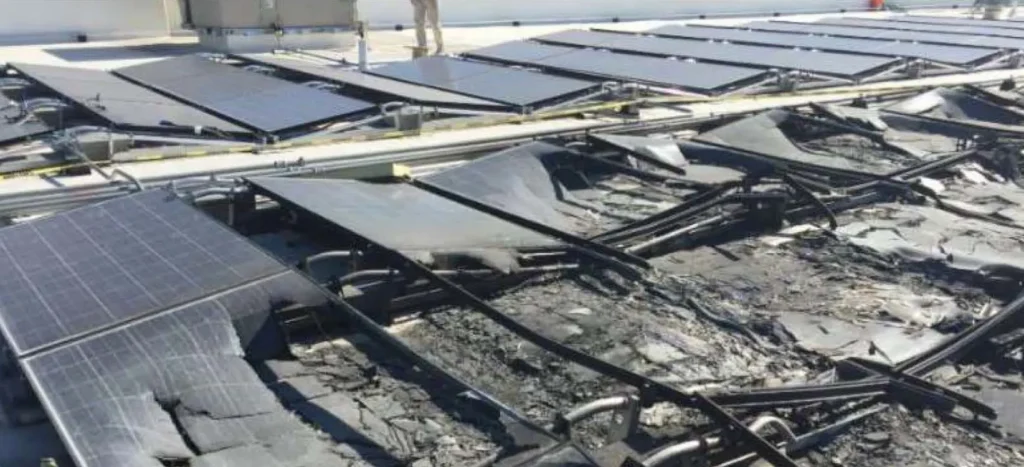
Hardware Reliability and Fire Risk: Solar infrastructure is not as “maintenance-free” as advertised. Power inverters are prone to frequent mechanical failure. More concerning are the documented fire hazards; high-profile legal battles have highlighted the significant risk of electrical fires associated with aging or faulty installations.
The Predatory Debt Trap: Through “Green New Deal” initiatives, homeowners are often lured into massive, long-term loans for solar installations under the guise of “helping” the grid. These schemes frequently include bi-directional metering agreements that pay homeowners a mere fraction—often 5 to 10 cents on the dollar—of the true market value for the electricity they feed back into the grid.
Lien-Backed Financing: Beyond the poor return on investment, these solar loans often come with strings attached: financial institutions frequently place a lien on the home as collateral. This can drastically complicate future property sales or refinancing, effectively turning a “green” upgrade into a massive financial anchor.
Institutional Overreach: These programs effectively turn individual homeowners into captive participants in a failing energy grid, shifting the burden of infrastructure maintenance onto the consumer while ensuring the financial institutions and solar companies reap the profits regardless of the system’s actual performance.